Howard University Graduate Program in Atmospheric Science (HUPAS)
Affiliated with the Departments of Chemistry, Mechanical Engineering, and Physics & Astronomy, HUPAS collaborates with federal agencies such as NOAA and NASA, as well as industry and academia, to diversify the atmospheric science workforce. In its short history, HUPAS has become a national model for excellence in research, education, and diversity, producing socially responsible scholars who address critical environmental and societal challenges.
Faculty Expertise
HUPAS faculty are recognized experts in:
- Mesoscale meteorology
- Climate modeling
- Air quality modeling and field observations
- Atmospheric physics and chemistry
- Mechanical engineering applications
Research Areas
HUPAS maintains active research programs supported by NASA, NSF, DOE, and NOAA. Students at all levels work alongside faculty on projects addressing local to global atmospheric challenges.
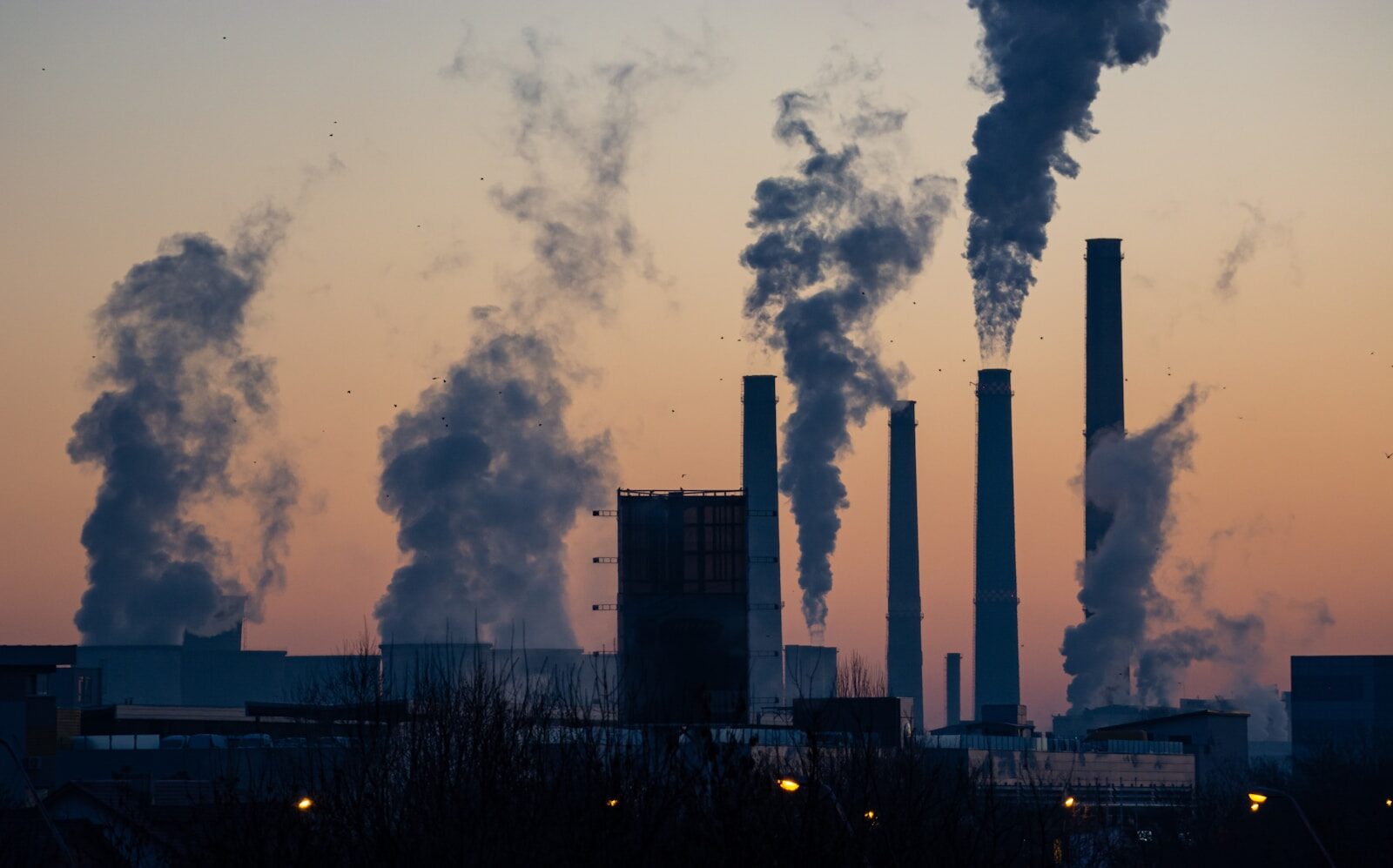
Air Pollution & Urban Meteorology
Observation, simulation, and modeling of polluted urban boundary layers, urban climate impacts, and pollutant transport.
Profs. Sakai, Wilkins, Ajoku, & Chiao
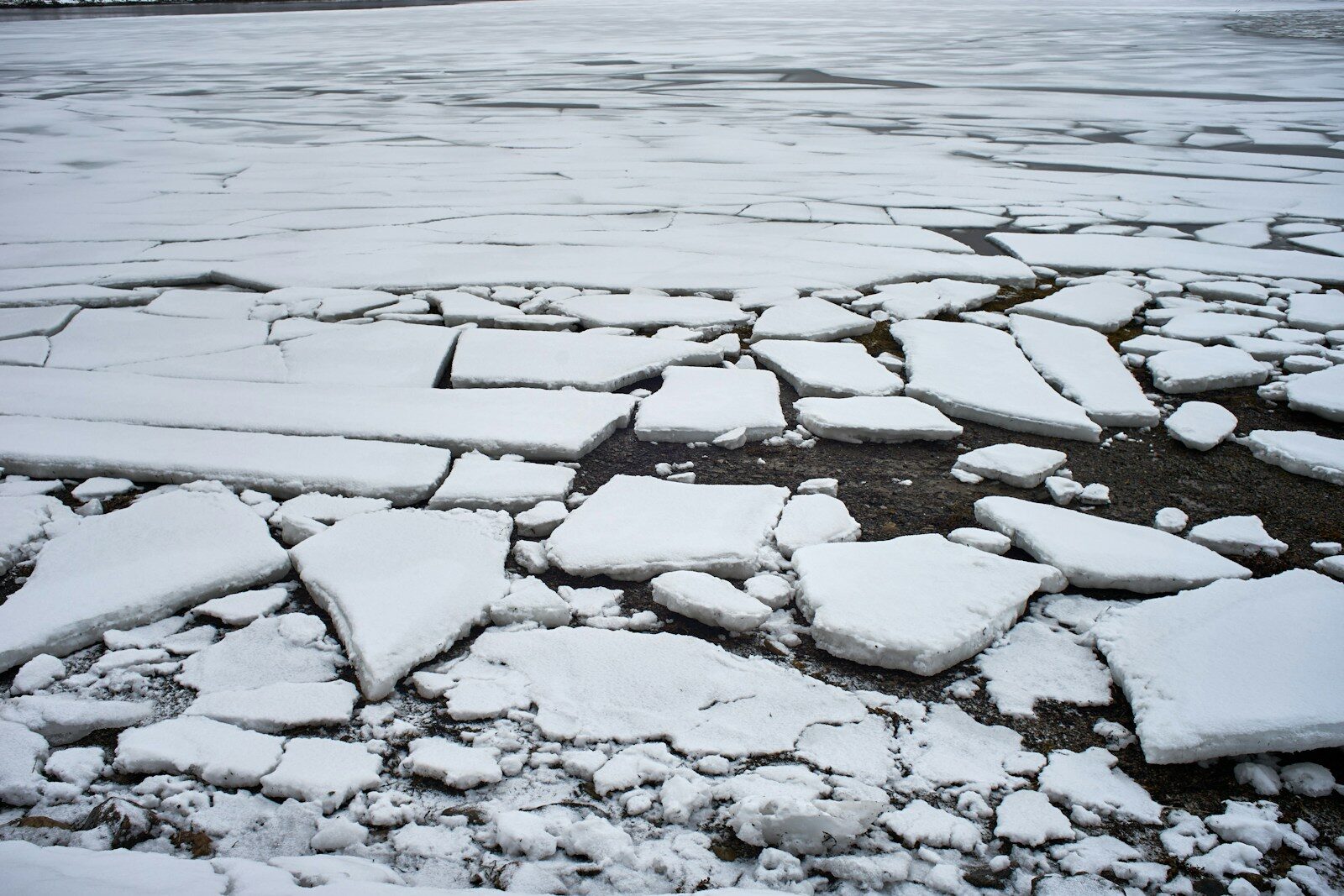
Climate Change – Atmospheric Dynamics
Numerical analysis of global and regional climate change from natural and human influences using climate models.
Profs. Ajoku, Chiao, Das, & Ichoku
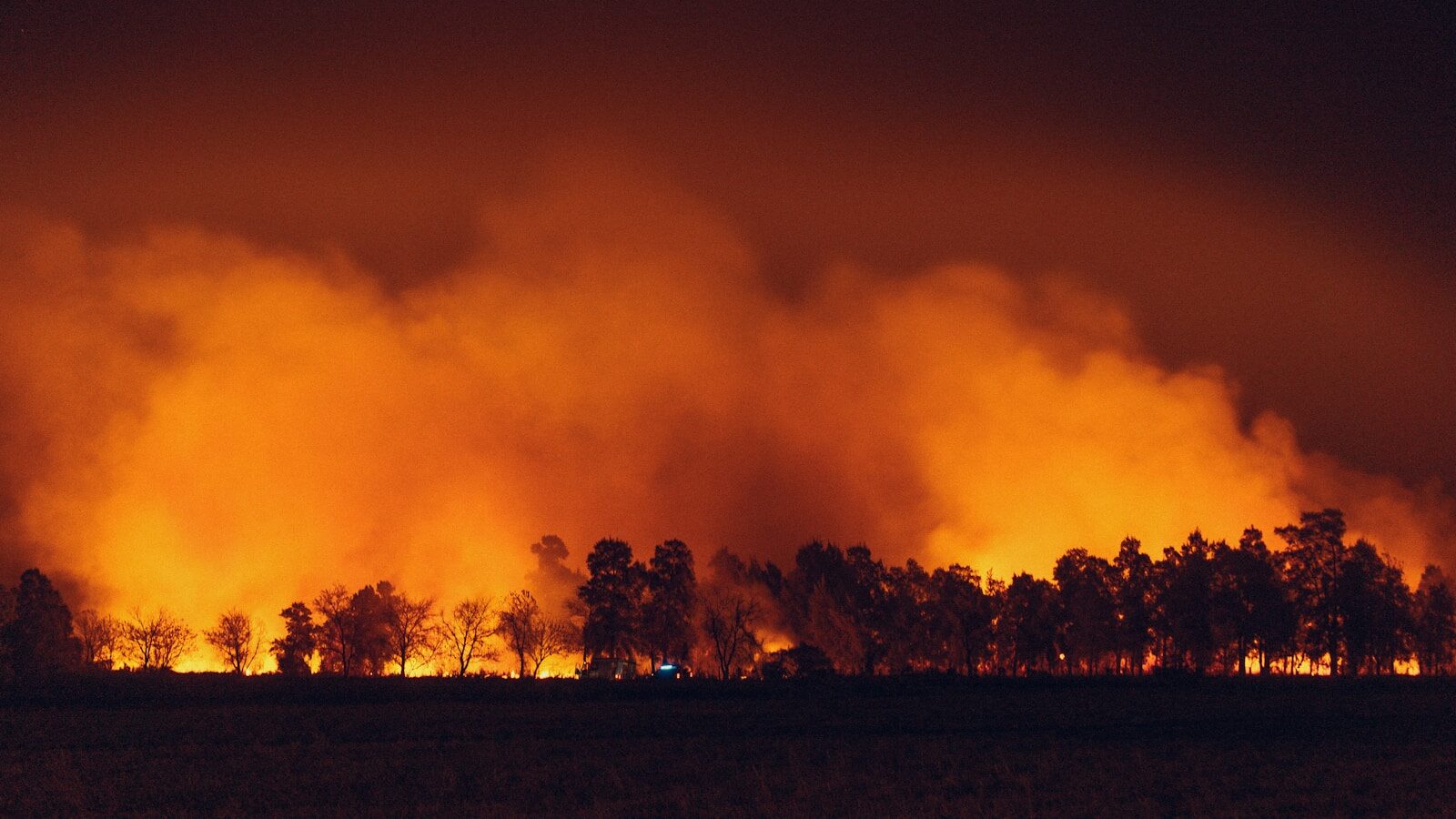
Fire Weather & Wildfire Dynamics
Studies of fire weather, fire-induced winds, and smoke emissions and their impacts on air quality and climate.
Profs. Wilkins & Ichoku

Mesoscale Processes
Dynamics of mesoscale waves, orographic precipitation, and advanced lidar-based profiling.
Profs. Sakai & Chiao

Boundary Layer Meteorology
Studies of boundary layer evolution in complex terrain and pollutant transport.
Profs. Chiao & Sakai
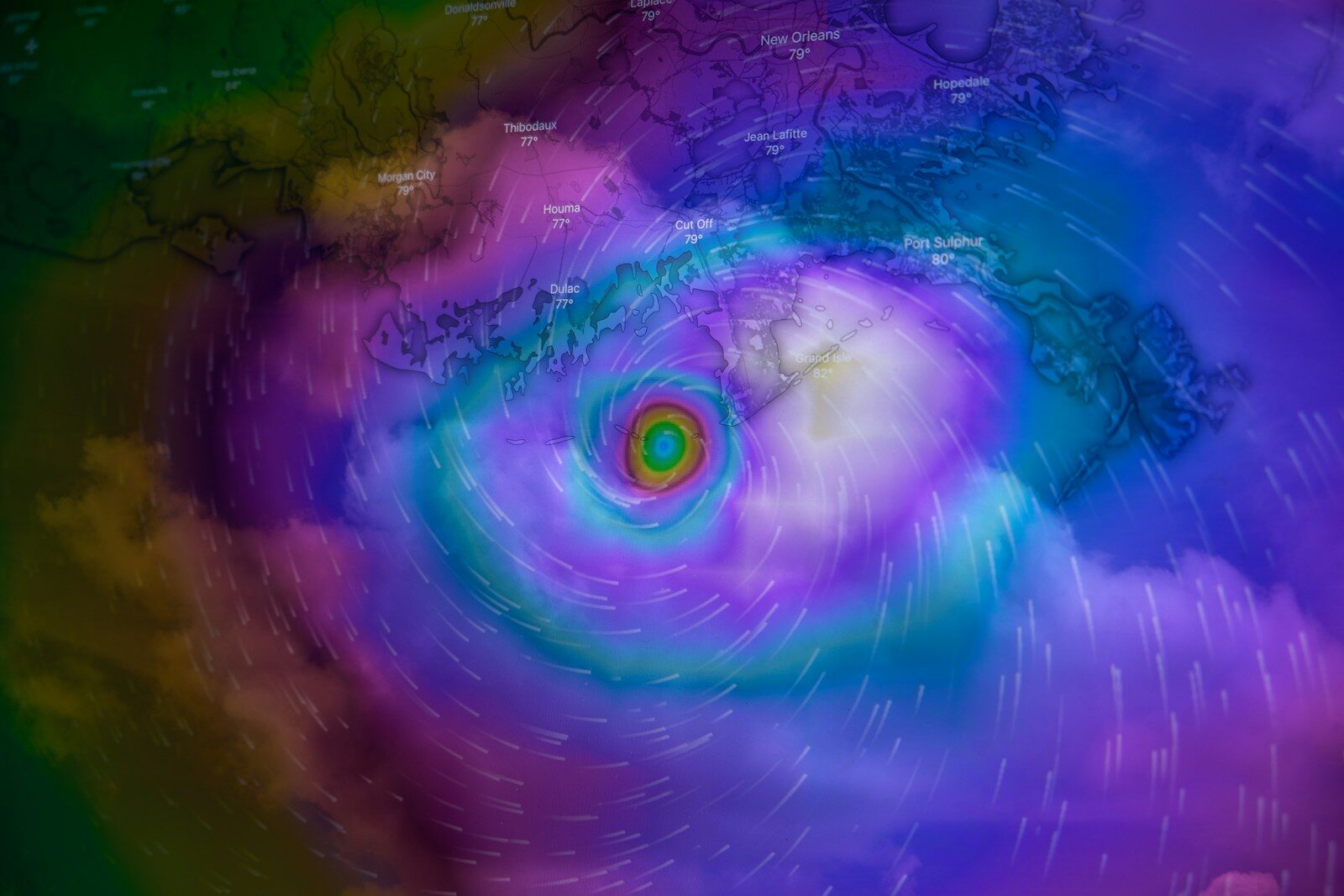
Tropical Meteorology
Hurricane intensification, tropical cyclogenesis, and Saharan dust impacts.
Profs. Chiao & Ajoku
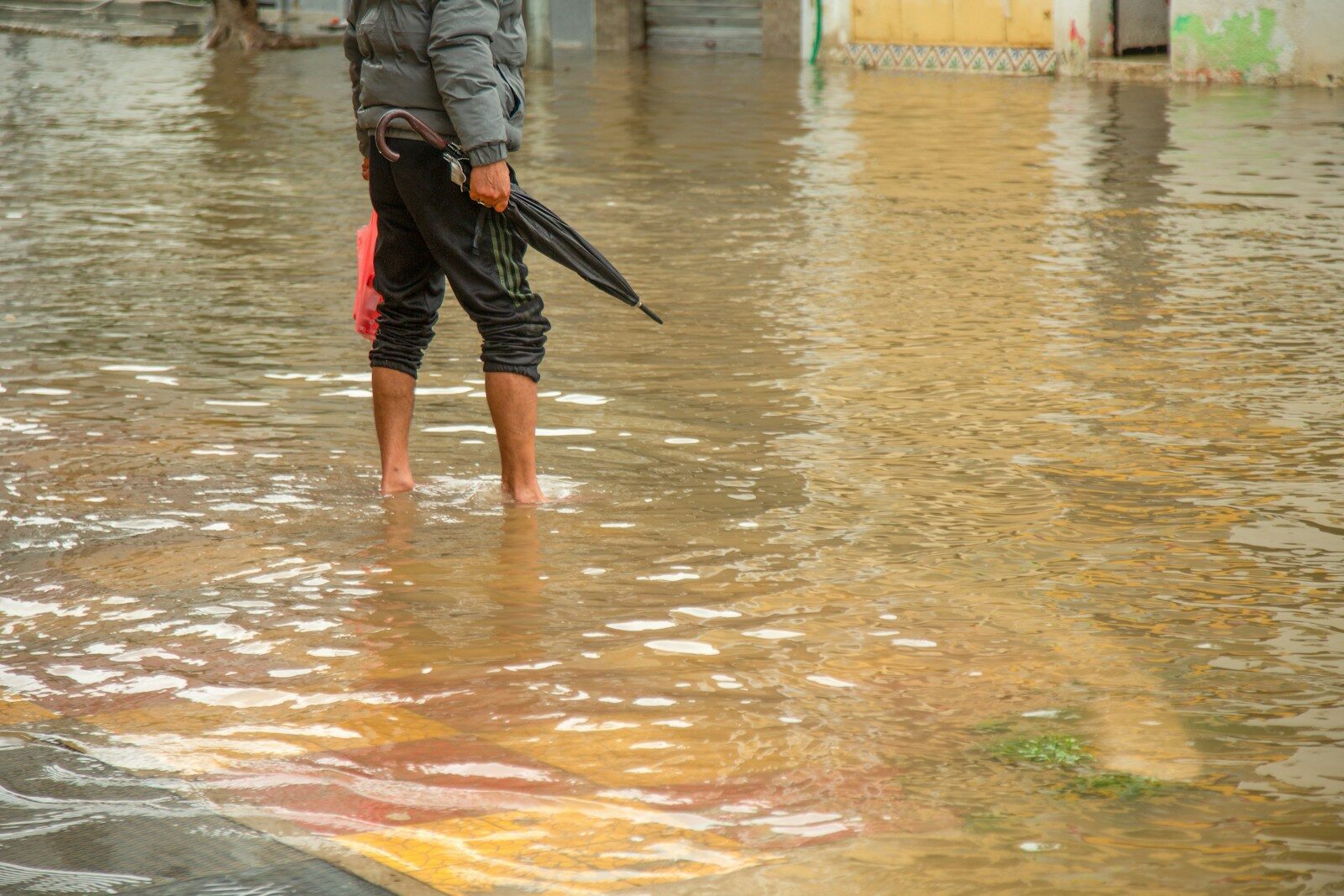
Weather Systems & Forecasting
Synoptic, mesoscale, and convective systems studied via modeling and observation.
Prof. Chiao
Research Centers
HUPAS students benefit from research opportunities through:
- The NOAA Center for Atmospheric Sciences and Meteorology (NCAS-M)
- The Beltsville Center for Climate System Observation (NASA University Research Center)
Admission Requirements
Applicants typically hold degrees in chemistry, physics, mathematics, meteorology, engineering, or atmospheric sciences, with strong backgrounds in physics, mathematics, and (for atmospheric chemistry) chemistry. Computer skills are highly recommended.
Financial Support
Research assistantships ($30–$40K/year) and teaching assistantships are available. Contact faculty directly to be considered for support opportunities.
Degree Requirements
Details: Master’s Program | Ph.D. Program
Master of Science
- Proficiency in math and physics (or completion of leveling courses)
- Pass one of three written proficiency exams
- Defend thesis proposal
- Complete and defend thesis
- 30 credit hours
- Full-time on campus
Doctor of Philosophy
- Proficiency in math and physics (or completion of leveling courses)
- Pass written qualifiers in specialty
- Defend dissertation proposal
- Complete and defend dissertation
- 72 credit hours
- Full-time on campus
Contact
Howard University Graduate SchoolOffice of Graduate Recruitment and Admissions
2400 Sixth Street NW
Washington, D.C. 20059